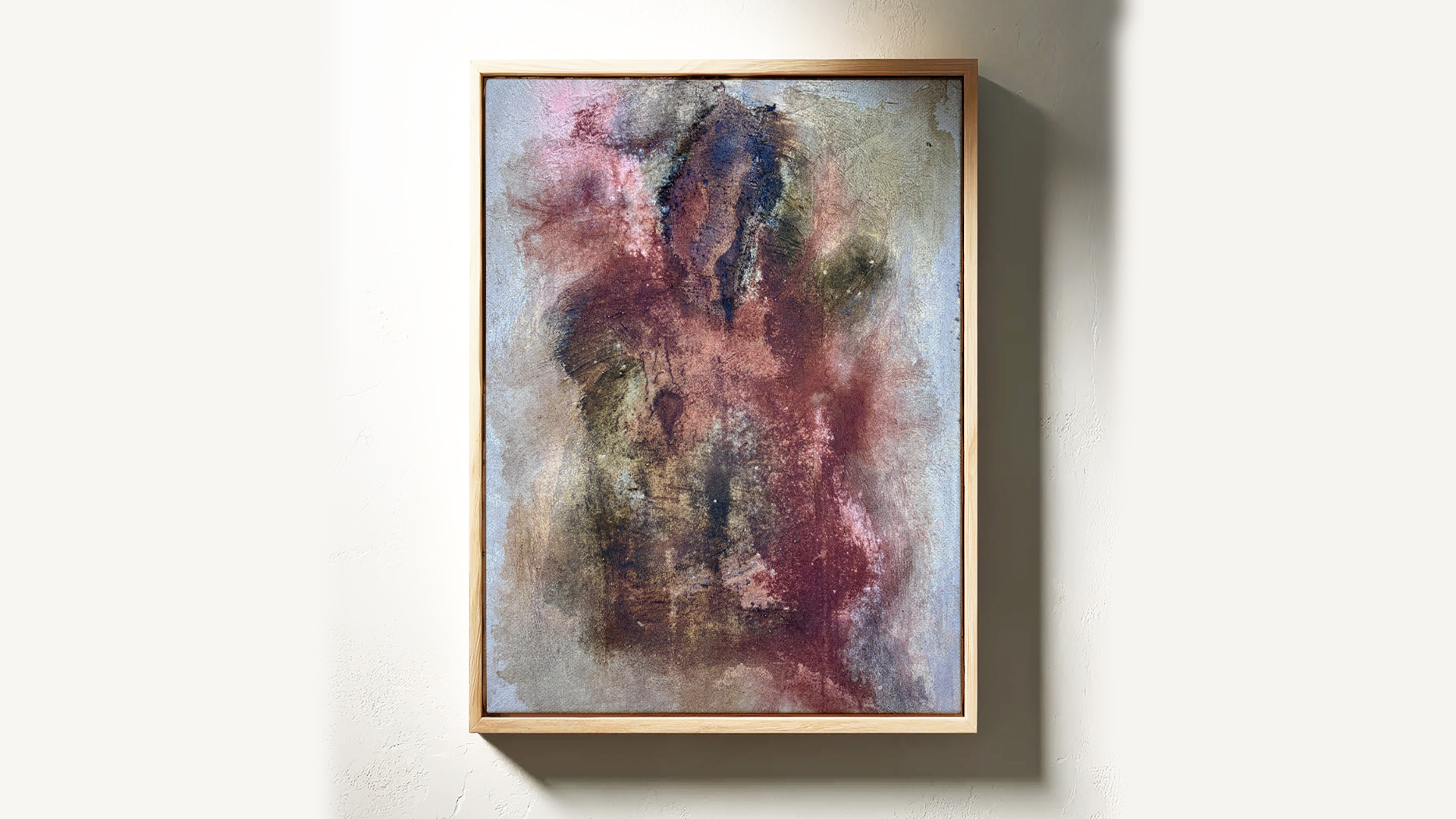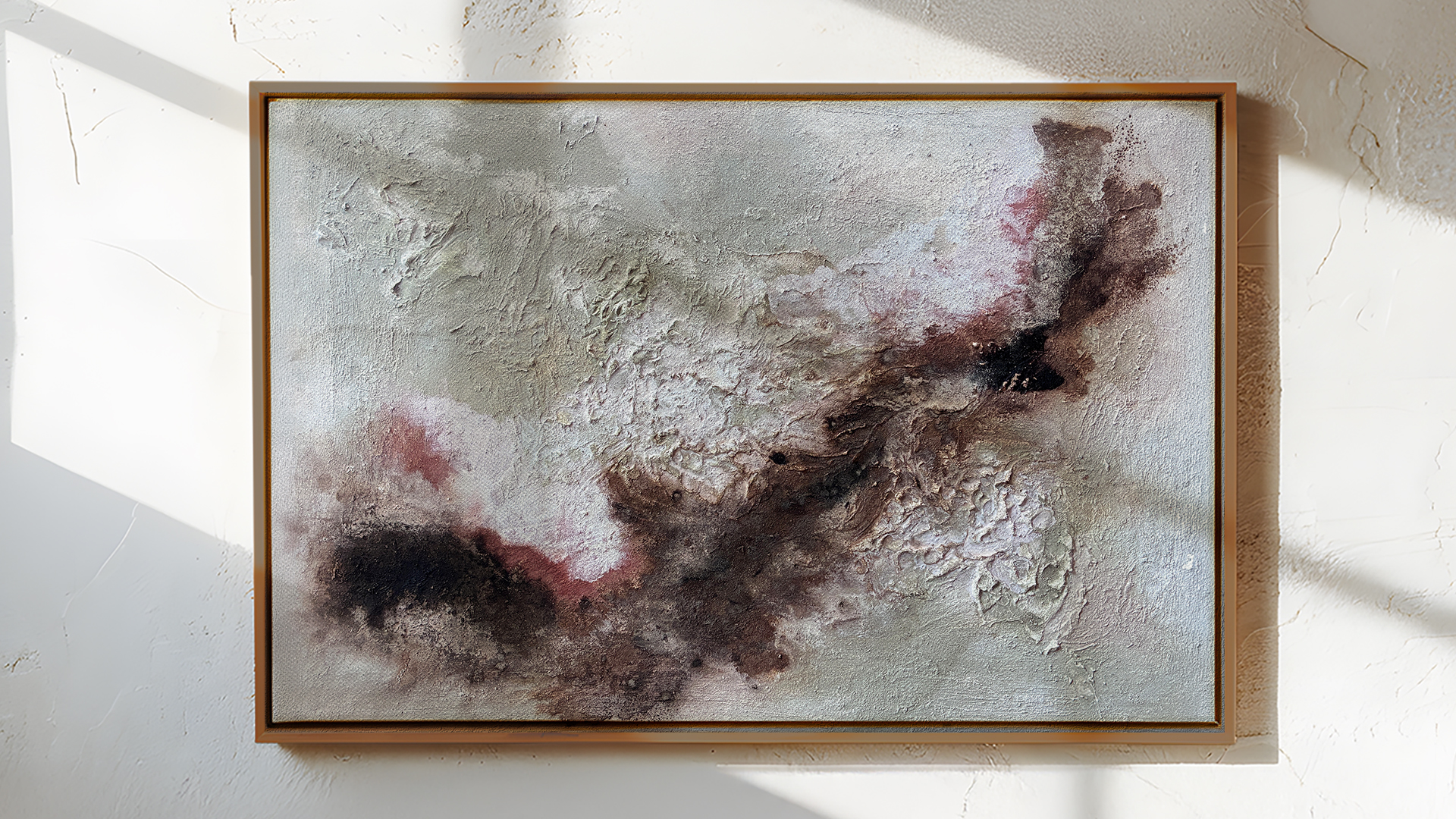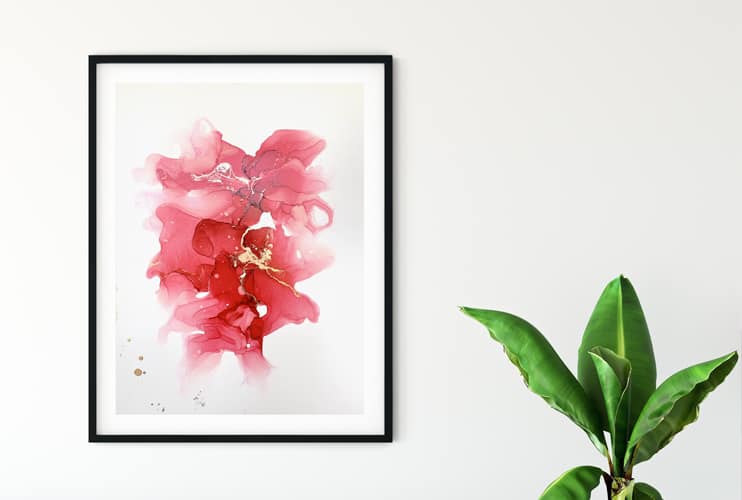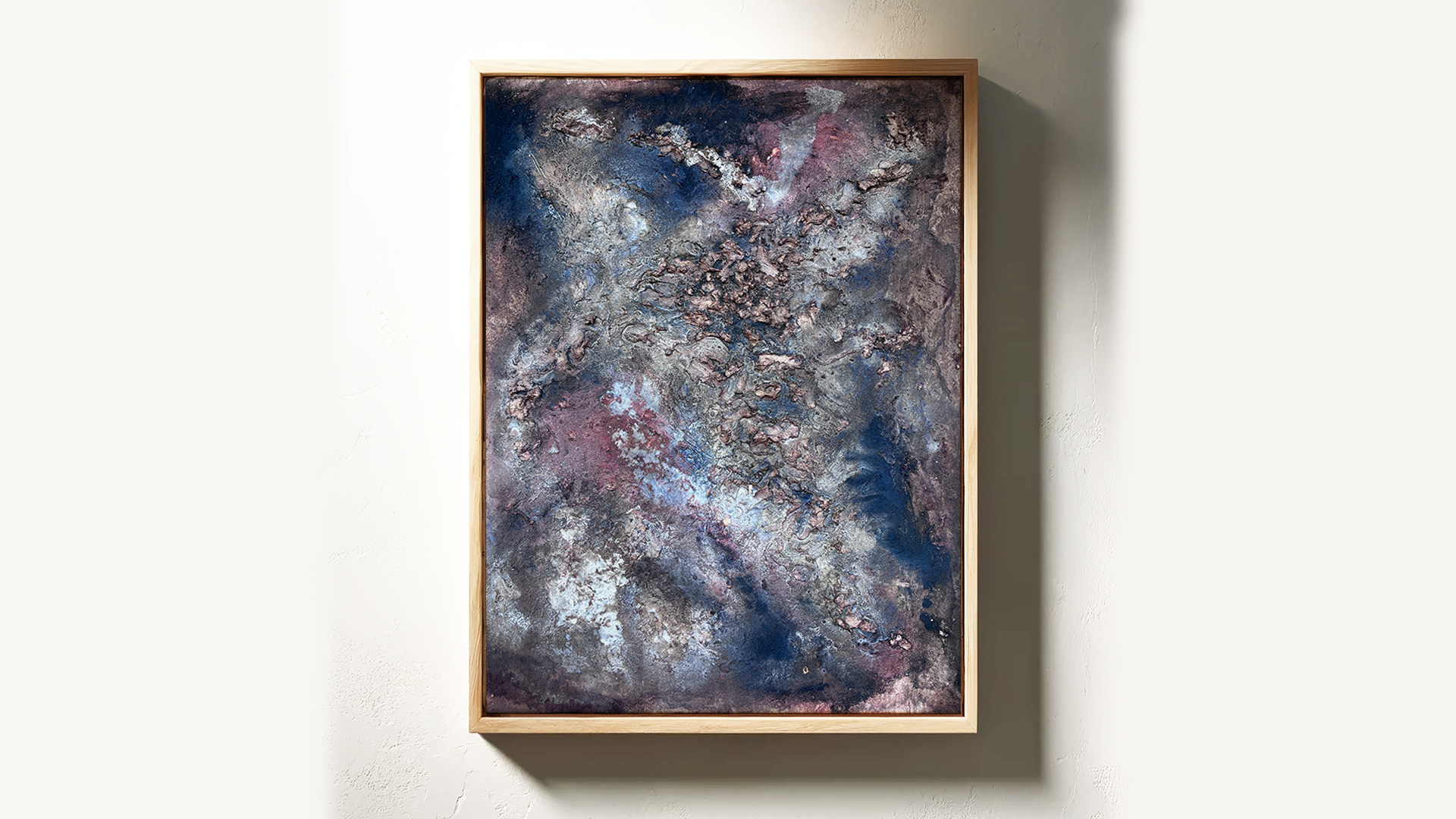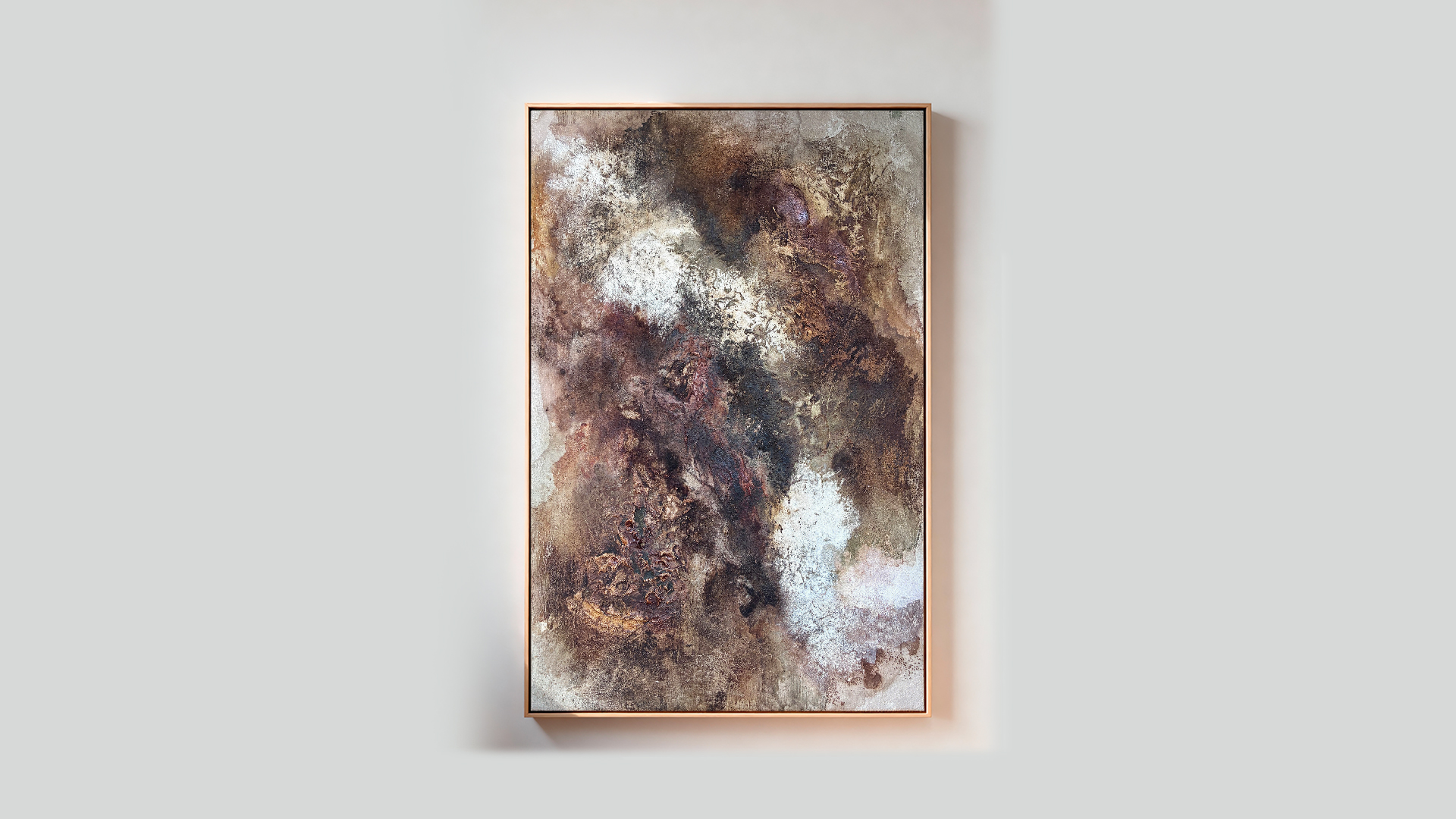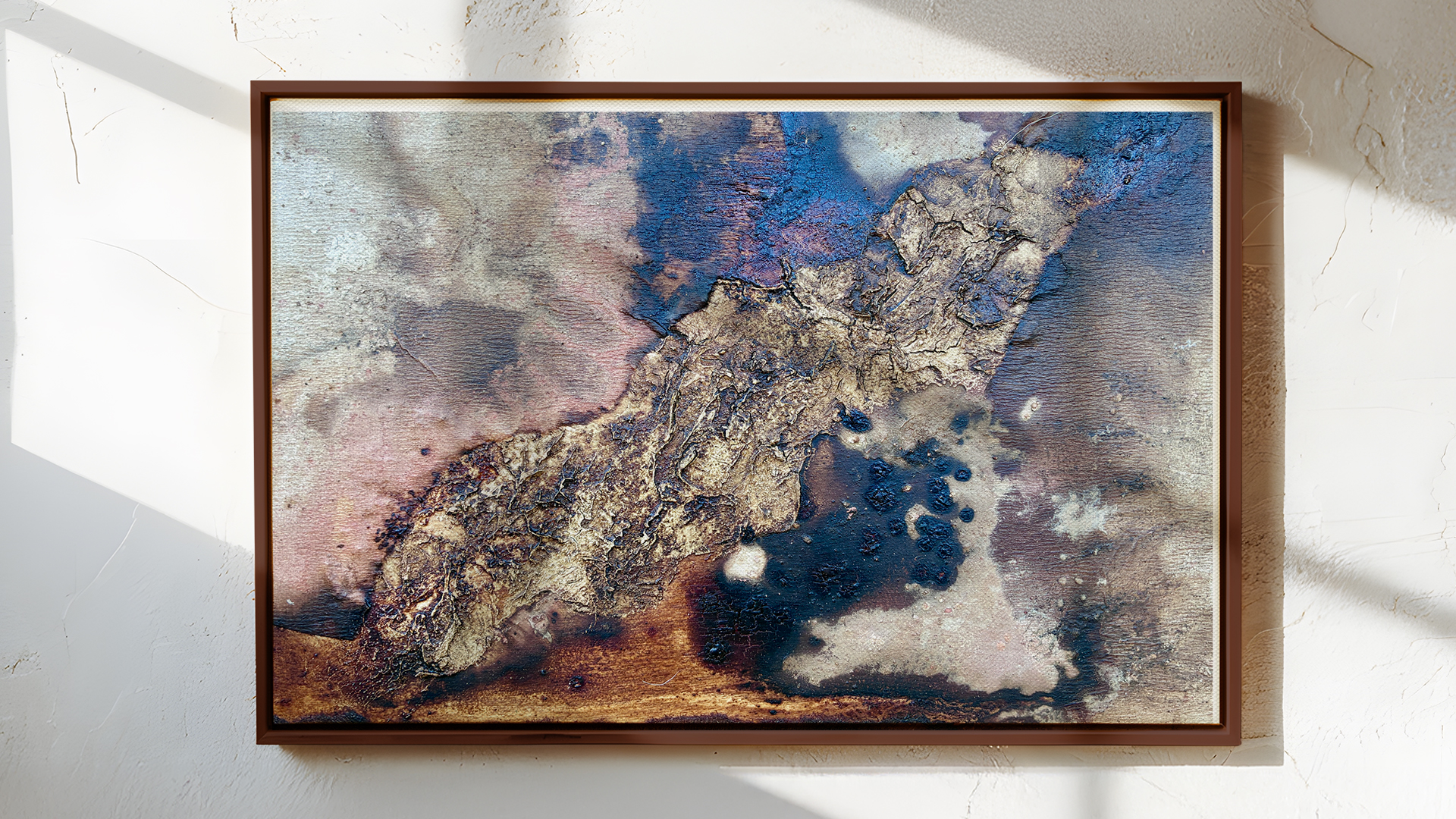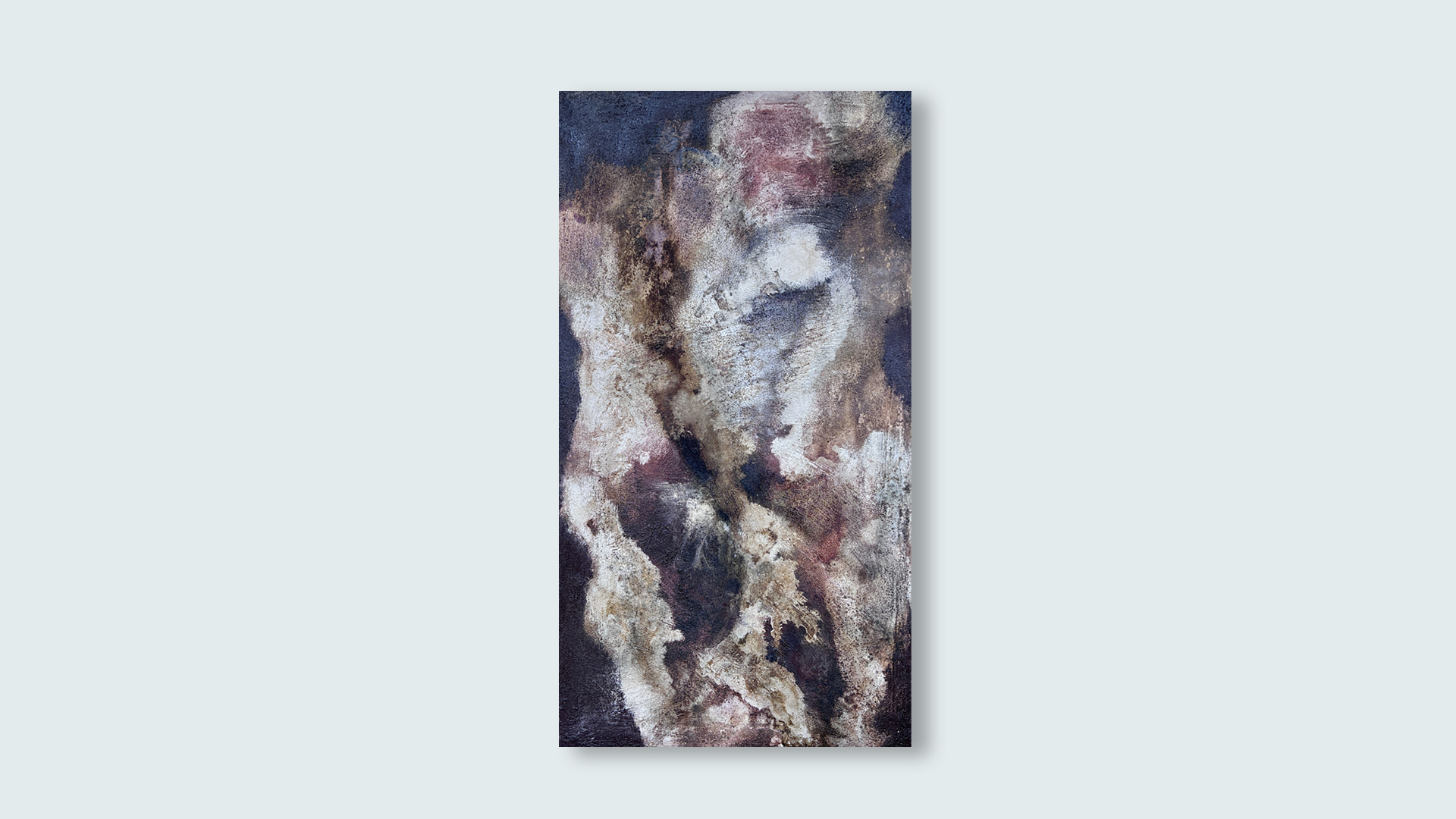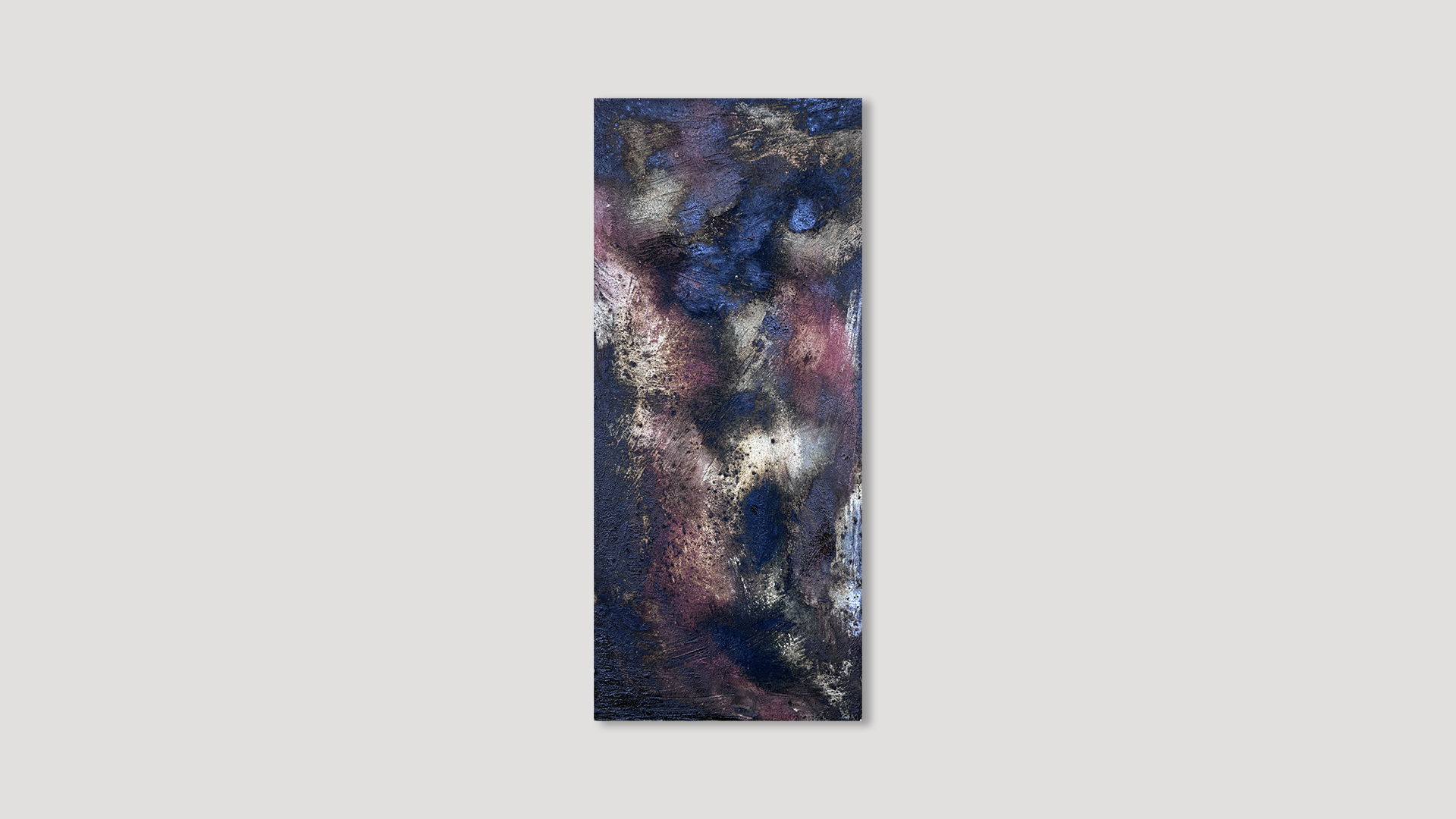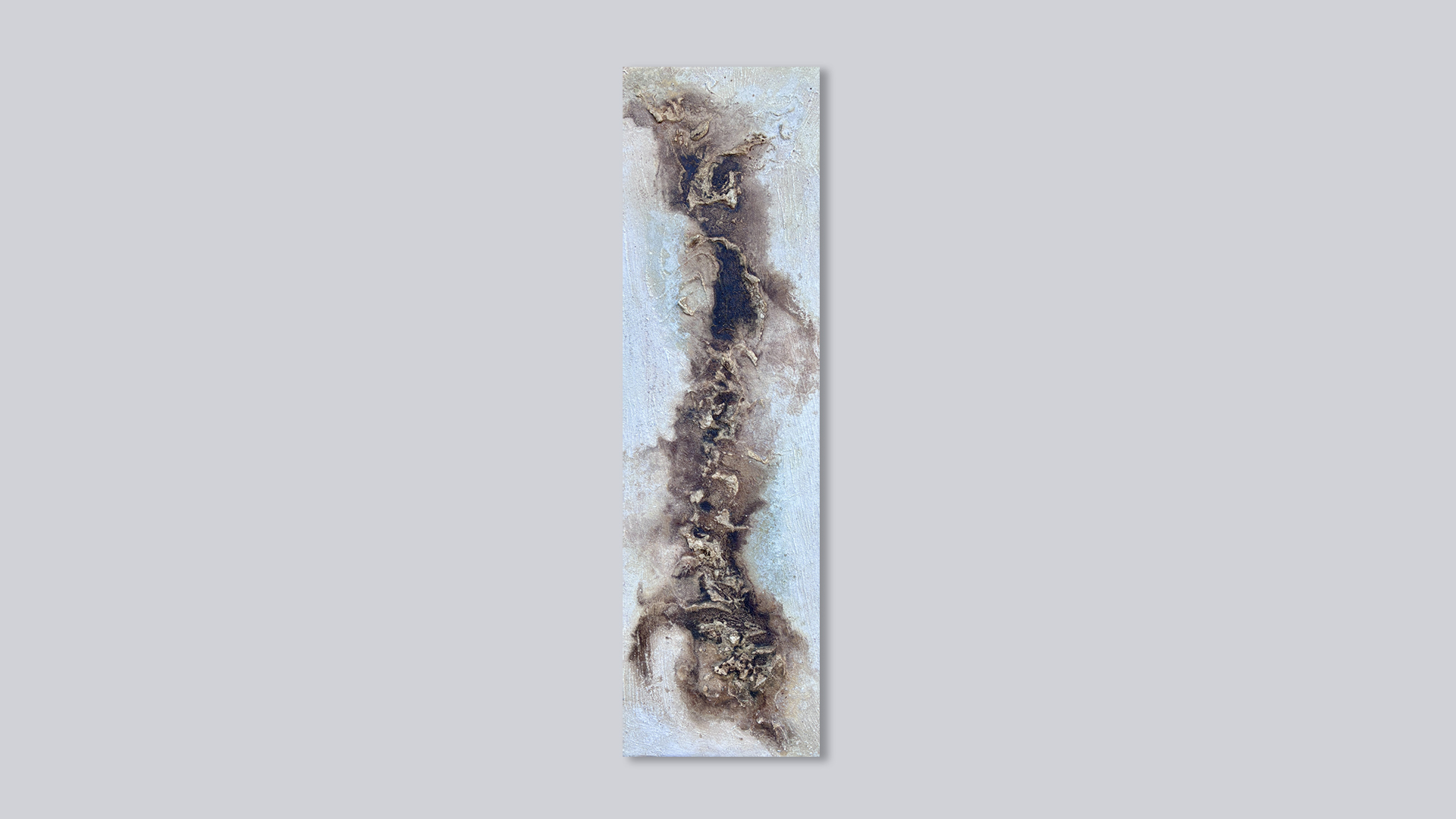
Weathering

collection


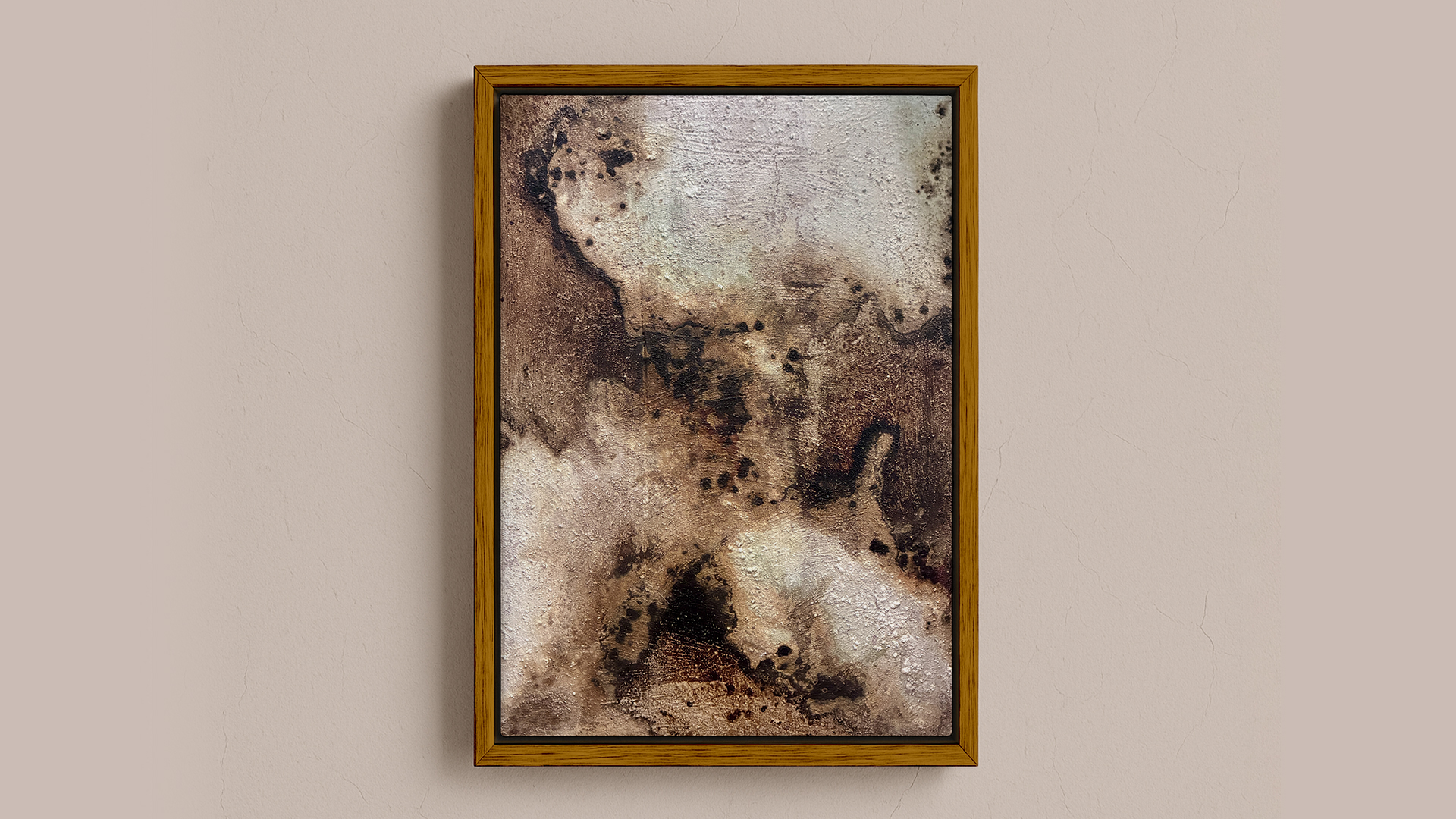
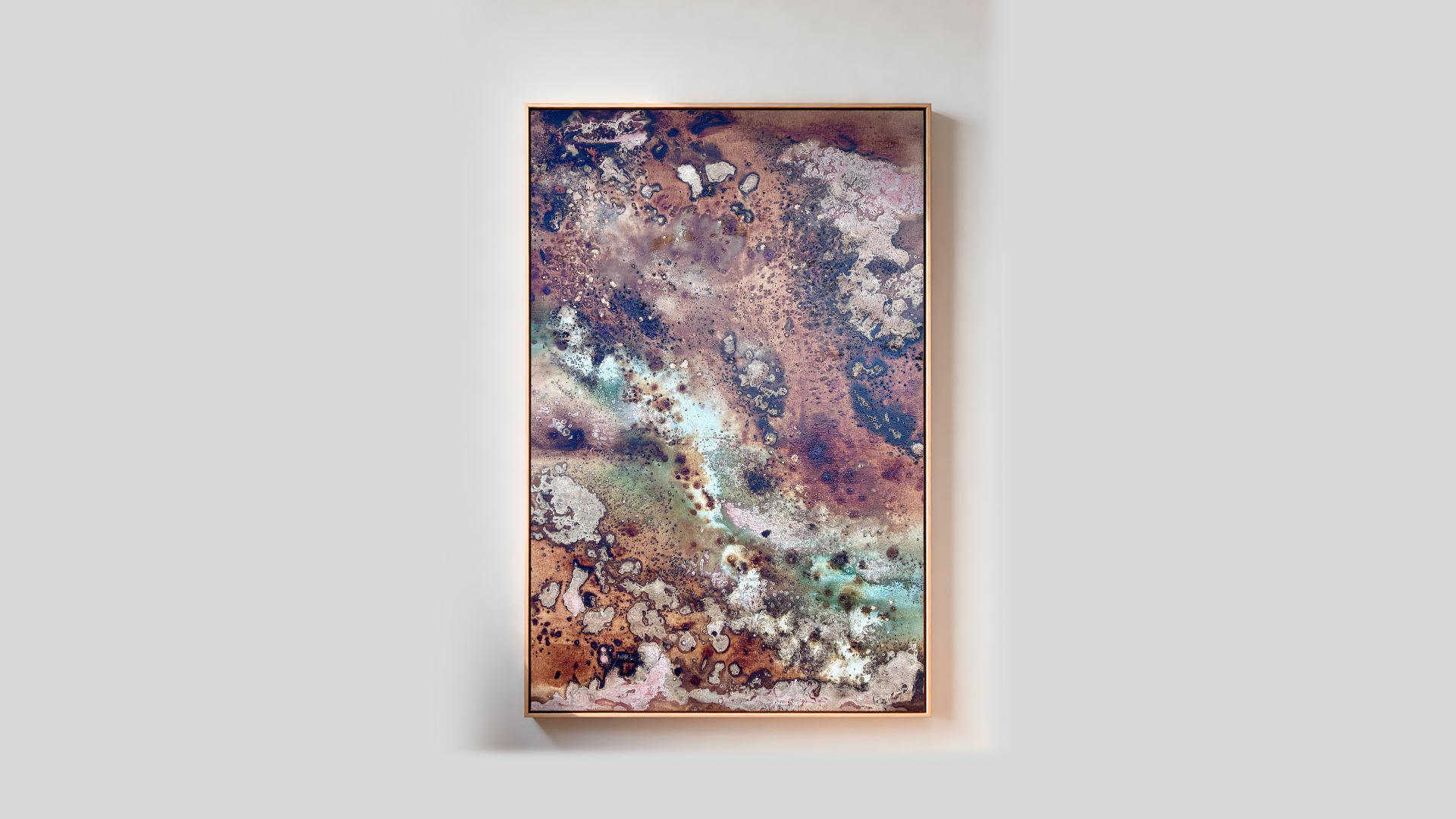
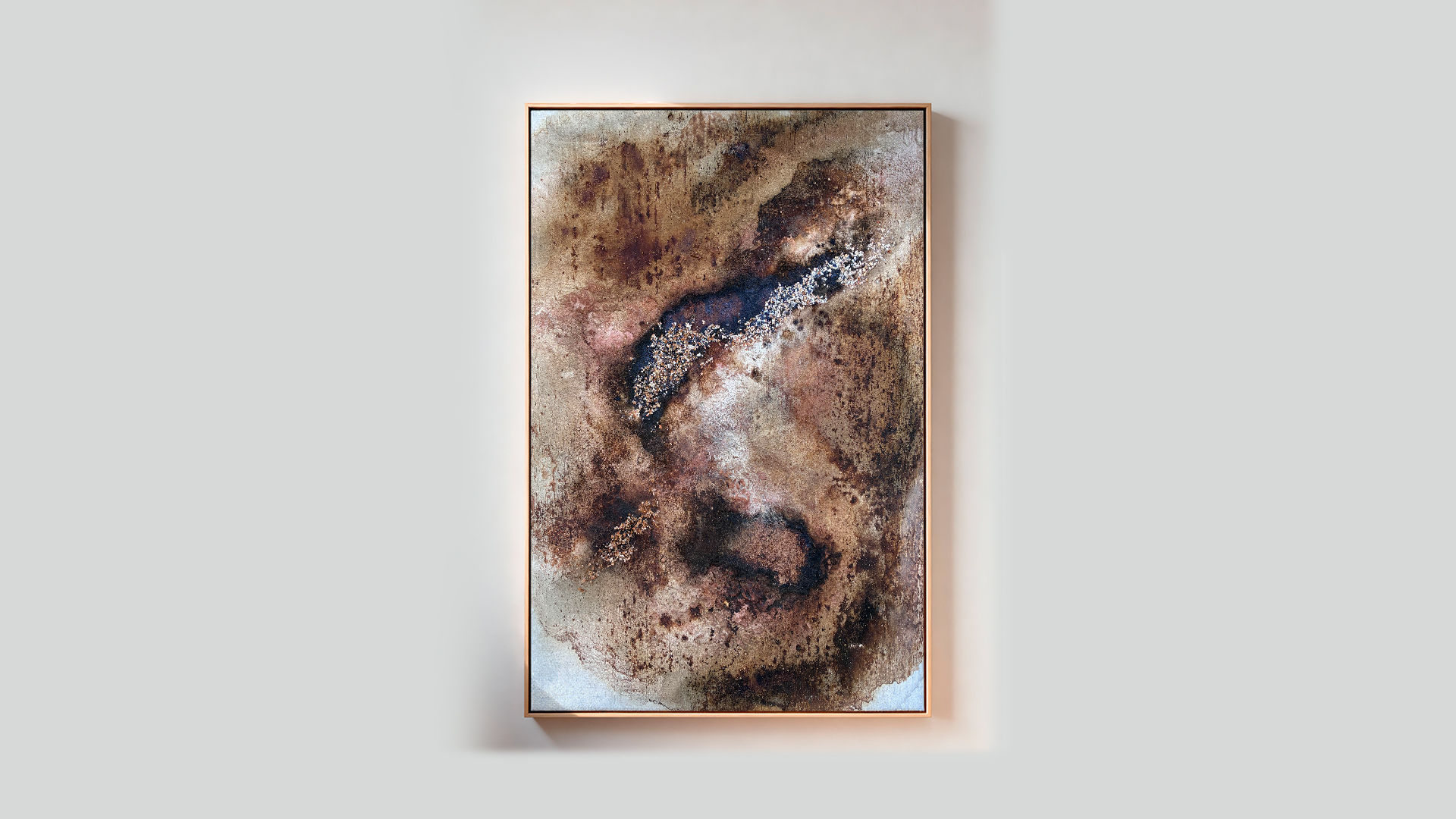
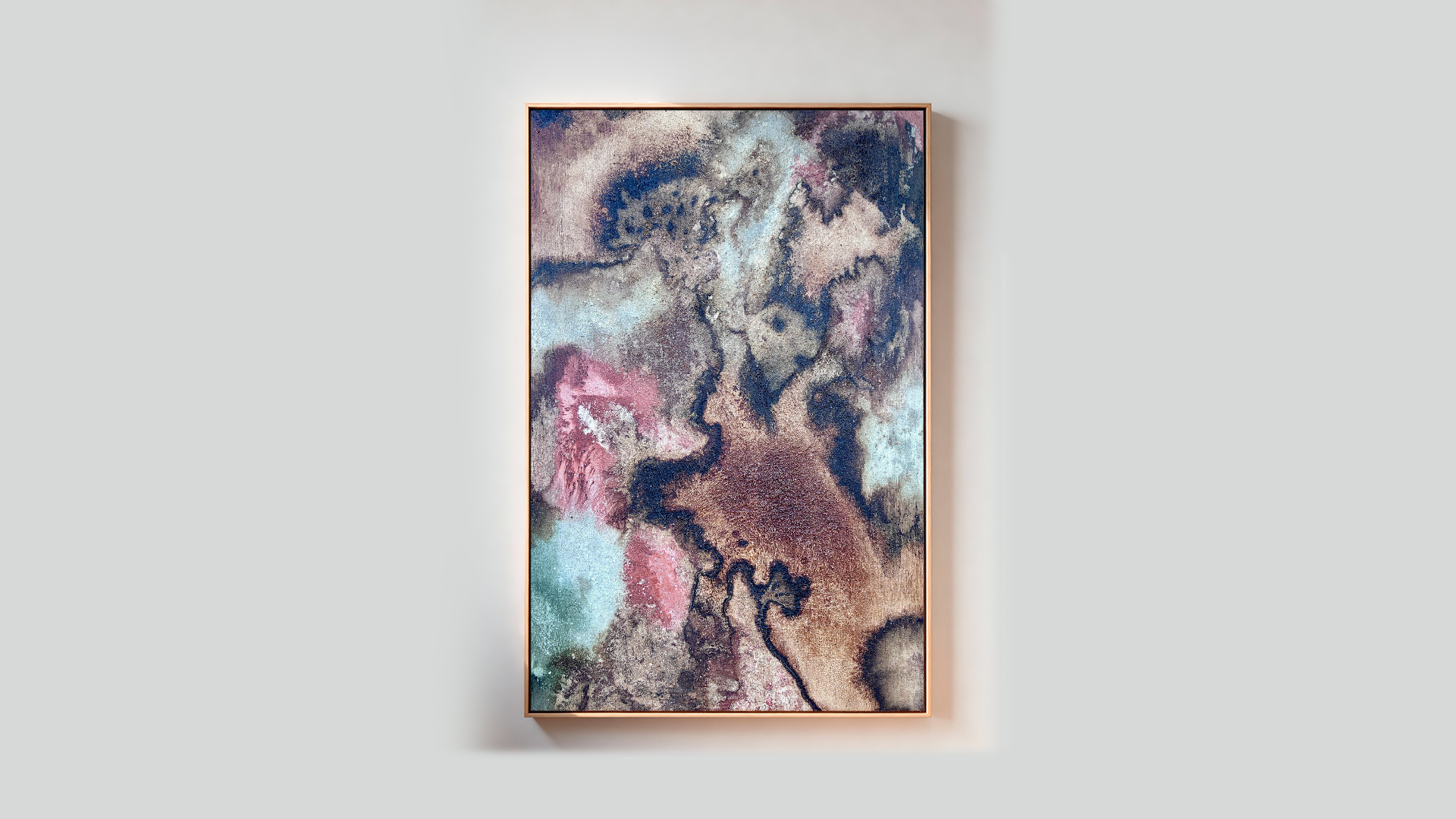
Weather doesn’t ask permission. It arrives, does its work, and leaves something changed in its place. A coastline redrawn, a field scorched then green again.

This collection treats that process as a mirror. Each panel is a body of texture and pigment left to erode, bloom, and settle on its own terms, the way a person is left to do the same after betrayal, after loss, after the quiet accumulation of everyday grief.

Rust doesn’t apologize for spreading. Salt doesn’t ask if it’s welcome. And yet what’s left behind, given enough time, is rarely ruin. It’s texture, history, a kind of hard-won beauty that couldn’t exist without the damage that preceded it. 

Weathering holds both halves of that truth at once: the wound and the healing, the storm and what grows after it, abandonment and the stubborn acceptance that follows. Triumph, here, isn’t the absence of weather. It’s what’s still standing when it passes.
Chapter 1: Arrival

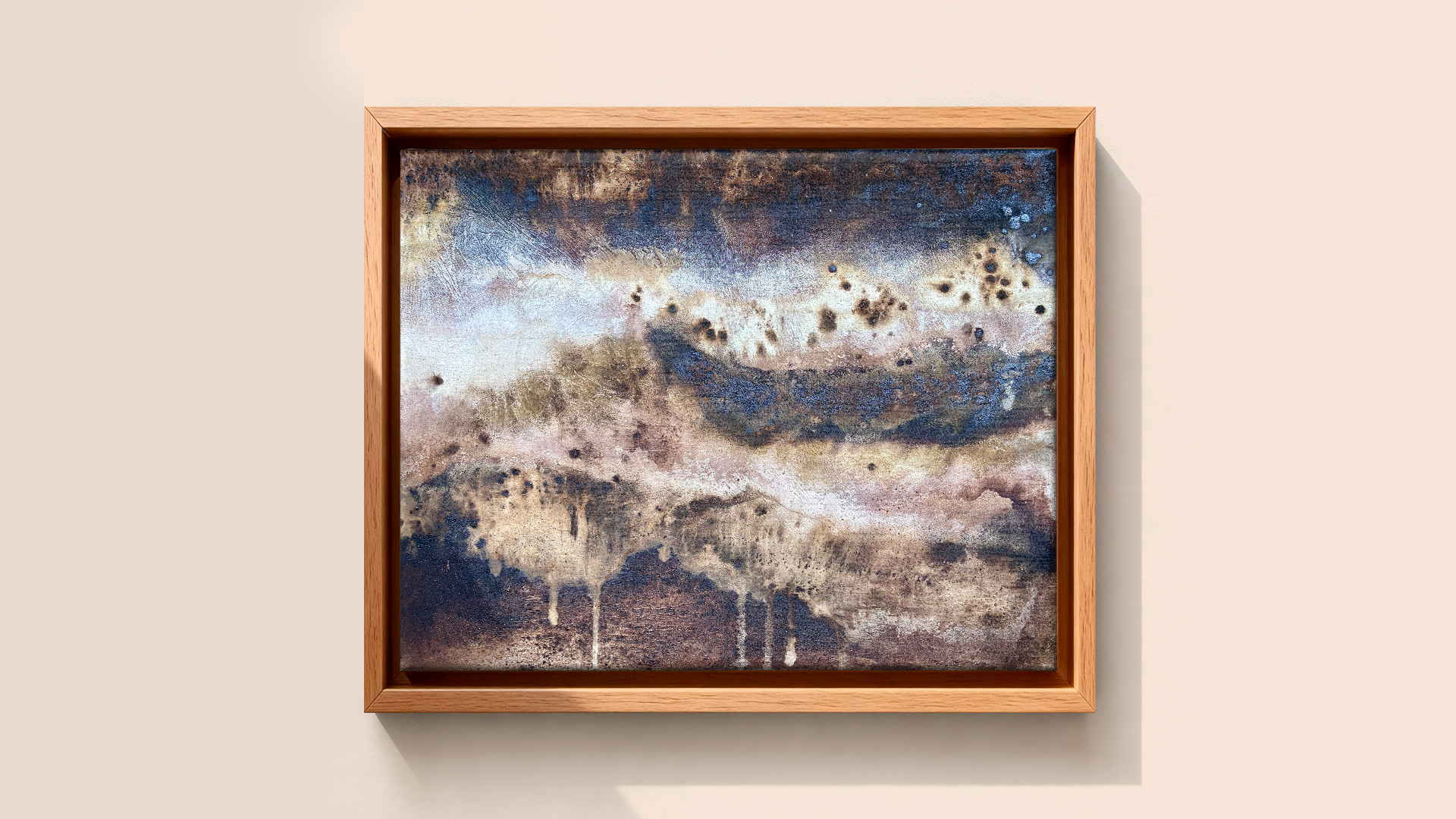
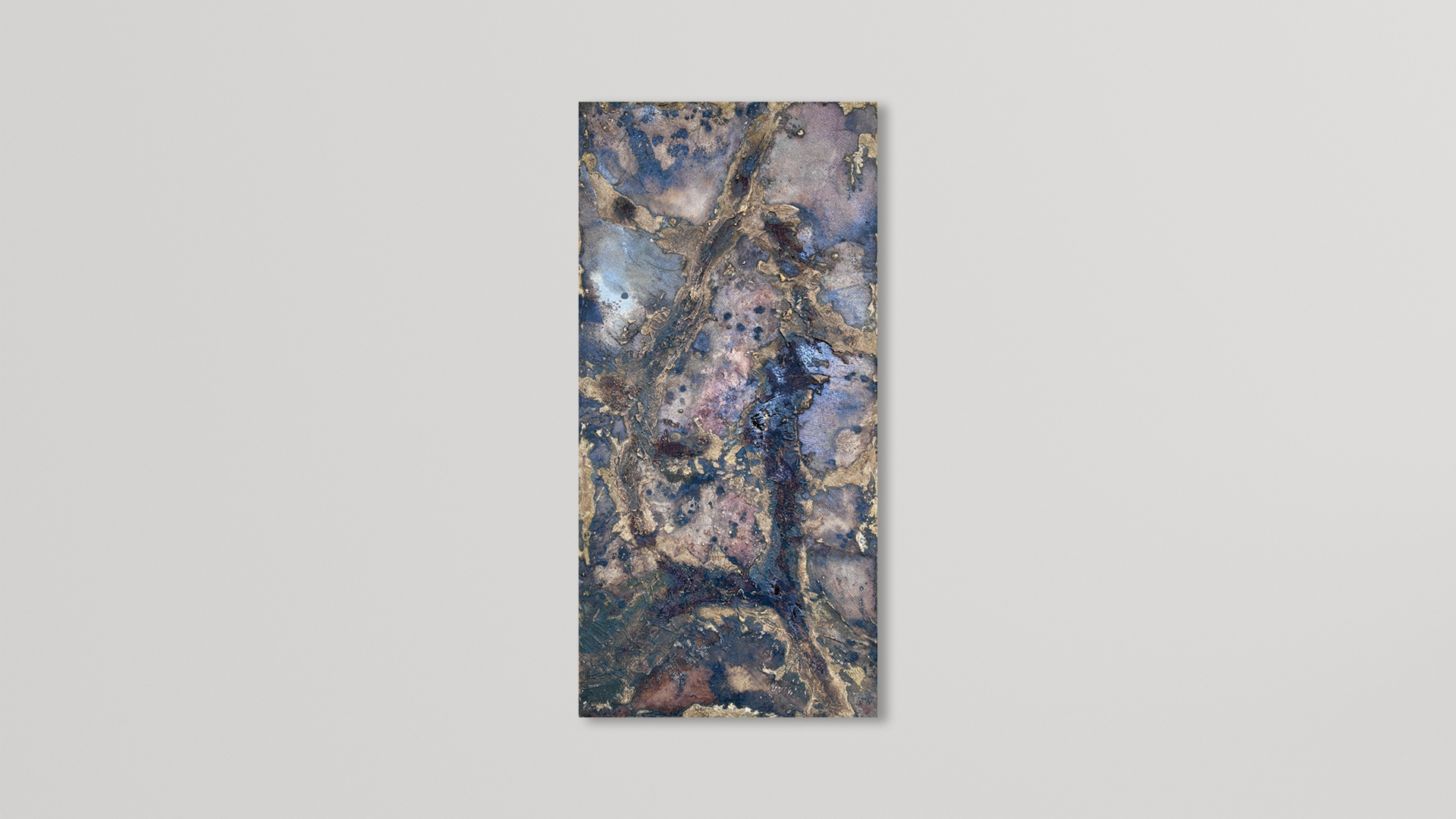
“Squall”

Weather doesn’t ask permission. It arrives mid-sentence, mid-life, indifferent to what we had planned, and takes the shape of whatever hits hardest: a diagnosis, a leaving, a call we didn’t see coming. There’s no bracing for it properly. There is only after.

Chapter 2: Rupture

“Fault Line”

Something we built our footing on gives way. The break runs through everything it touches: trust, certainty, the story we told ourselves about how things were going to go. A fault line doesn’t apologize for splitting. It just shows us where the ground was never as solid as it looked.

Chapter 3: Riptide

“Undertow”

Grief doesn’t move in a straight line. It circles back under us just when we think we’re standing on shore, and pulls us down into a current we thought we’d already crossed. Betrayal works the same way; we think we’re past it, and then, for a while, we’re not.

Chapter 4: Hardening

“Ironbark”

For a while, toughness looks like healing. We grow a bark thick enough that nothing gets in, which also means nothing gets out. It’s a real kind of strength, and it’s also a kind of hiding. Both can be true of the same season.

Chapter 5: Fissure

“Mica Seam”

Somewhere in all that hardened ground, a crack opens; small, involuntary, and it catches the light in a way the rest of the surface doesn’t. This is usually the first sign that something in us is ready to be looked at.

Chapter 6: Quieting

“Ochre Vein”

The wound stops being loud. Not resolved, not forgotten, just quiet enough to sit beside instead of run from. Acceptance rarely arrives as a decision. More often it’s a kind of exhaustion that finally lets something rest.

Chapter 7: Recognition

“Bloodroot”

Underneath everything that happens, there’s a shape that’s been there the whole time, waiting to be recognized again. It rises out of the pale ground like something remembering itself. Not who we were before, but who we actually are.

Chapter 8: What Remains

“Tidewrack”

The tide goes out and leaves a line of what it carried, sorted by weight and deposited without ceremony. We start going through what’s left of everything that happened. Not all of it is worth keeping, but we look at each piece before you decide.

Chapter 9: Slow Change

“Verdigris”

Some transformation happens all at once. Most of it happens the way copper turns green: so slowly we can’t watch it happening, only notice, much later, that we’re not the colour we used to be. Patience turns out to be the whole method.

Chapter 10: Evidence

“Chalk Bloom”

The marks stay. Rust freckling across old paper, the places worn thin from being held too often. These aren’t damage to hide. They’re evidence we lived through something and transformed.

Chapter 11: Warm Beneath

“Ember Ground”

Under the ash, something is still warm. We can go a long time assuming it burned all the way down, then find, almost by accident, that it didn’t. Renewal rarely announces itself. It just turns out to have been waiting.

Chapter 12: Deep Truth

“Marrow”

Underneath the surface story, closer to the bone, there’s a truth that was always going to surface eventually. Pale, persistent, running upward whether we invite it or not. Usually it’s the truth we were most afraid of, and most needed.

Chapter 13: Kept Light

“Vesper”

Evening comes, and instead of grieving the day, we find we can just watch it go. Vesper light doesn’t apologize for being brief. It only asks to be noticed while it’s here, which turns out to be enough.

Chapter 14: Now

“Held”

In the end there’s a stillness that isn’t the absence of everything that happened, but the ability to hold it all at once without being pulled apart. One thread down a quiet field. A breath, held, then released. This is where the storm was always headed.

Get In Touch

8 + 8 =

Commissions Now Open
0475 749 095